





 President’s Message
Metallic Armored Fiber Optic Cable
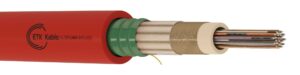
U-D(ZN)(SR)H FE180 Fire Resistant b2ca Fiber Optic Cable
SKU:
SLT(FR)-SA-SHFJ-(GY12)-(FE180.PH120)
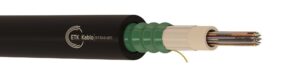
A-D(ZN)(SR)2Y Fiber Optic Cable
SKU:
SLT-SA-SJ-(GY12)
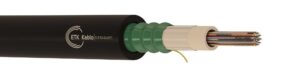
A-D(ZN)(SR)2Y Fiber Optic Cable
SKU:
SLT-SA-SJ-(GY25)
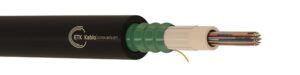
U-D(ZN)(SR)H Fiber Optic Cable
SKU:
SLT-SA-SHFJ-(GY12)
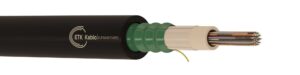
U-D(ZN)(SR)H Fiber Optic Cable
SKU:
SLT-SA-SHFJ-(GY25)
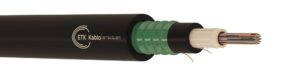
A-D(ZN)2Y(SR)2Y Fiber Optic Cable
SKU:
SLT-SA-DJ-(GY20)
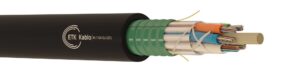
A-DF(ZN)(SR)2Y Fiber Optic Cable
SKU:
MLT-SA-SJ-(GY12)
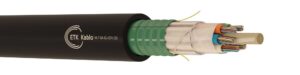
A-DQ(ZN)(SR)2Y Fiber Optic Cable
SKU:
MLT-SA-SJ-(GY12)-(D)
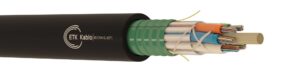
A-DF(ZN)(SR)2Y Fiber Optic Cable
SKU:
MLT-SA-SJ-(GY27)
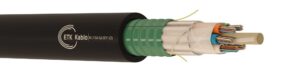
A-DQ(ZN)(SR)2Y Fiber Optic Cable
SKU:
MLT-SA-SJ-(GY27)-(D)
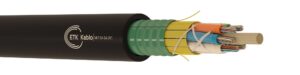
A-DF(ZN)(SR)2Y Fiber Optic Cable
SKU:
MLT-SA-SJ-(AY27)
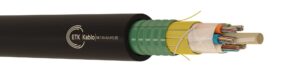
A-DQ(ZN)(SR)2Y Fiber Optic Cable
SKU:
MLT-SA-SJ-(AY27)-(D)
Metallic Armored Fiber Optic Cables | Heavy-Duty Protection for Harsh Outdoor Installations
ETK Kablo’s Metallic Armored Fiber Optic Cables are engineered for maximum mechanical protection and durability in outdoor, underground, and industrial environments. Reinforced with corrugated steel tape (CST) or steel wire armor (SWA), these cables are specifically designed to resist rodent attacks, mechanical impact, and soil pressure—ensuring long-lasting, reliable data transmission even in the most challenging field conditions.
Rugged Construction for Harsh Environments
These armored fiber optic cables feature a central loose tube design filled with thixotropic gel that provides superior water blocking and long-term fiber protection. The combination of a metallic armor layer and an HDPE or PE outer sheath offers excellent resistance to UV radiation, abrasion, chemicals, and temperature extremes. Whether deployed through direct burial, duct systems, or aerial networks, the construction ensures continuous data flow without interruption or degradation.
For outdoor telecom infrastructures, energy facilities, and transport systems, these cables deliver unmatched mechanical resilience and environmental protection. The armored structure safeguards the optical fibers against crushing forces, accidental digging, and rodent damage, making it ideal for mission-critical networks in data centers, military bases, and utility corridors.
Available Fiber Types and Configurations
ETK Kablo provides a wide selection of fiber types and core counts to meet diverse network requirements:
| Fiber Type | Standard | Typical Use |
|---|---|---|
| Singlemode | G.652D / G.657A1 / G.657A2 | Long-distance data and telecom backbones |
| Multimode | OM1 / OM2 / OM3 / OM4 / OM5 | High-bandwidth, short-distance links and LAN environments |
| Armoring Options | CST or SWA | Corrugated steel tape for compact strength or steel wire armor for heavy-duty protection |
Each configuration is optimized for low attenuation, high tensile strength, and exceptional data integrity. The armored layer ensures consistent optical performance, even when exposed to high pressure, vibration, or outdoor environmental stress.
Compliance and International Standards
All ETK Kablo metallic armored fiber optic cables comply with global standards including IEC 60794, ITU-T, and EN 50173. These certifications ensure compatibility, safety, and reliability across international telecom, industrial, and data applications. Every production batch undergoes attenuation testing, crush resistance verification, and armor adhesion inspection in ETK Kablo’s state-of-the-art laboratory.
Key Advantages
- Superior Mechanical Strength: SWA and CST layers provide impact resistance and long-term stability.
- Rodent and Crush Protection: Metallic armor acts as a physical barrier against rodents and soil pressure.
- Moisture Resistance: Gel-filled loose tubes and sealed sheathing prevent water ingress and corrosion.
- Extended Lifespan: HDPE outer sheath ensures UV, chemical, and abrasion resistance for decades of service.
- Low Signal Loss: Precision fiber geometry and optimized core alignment minimize attenuation and reflection loss.
Applications
ETK Kablo’s metallic armored fiber optic cables are suitable for a wide range of high-demand installations:
- Direct Burial Networks: Long-distance underground telecom backbones and metropolitan area networks (MANs).
- Duct Installations: Fiber routes in conduits where protection against mechanical stress is required.
- Transportation Infrastructure: Railways, highways, and tunnels exposed to vibration and impact.
- Industrial & Energy Facilities: Oil refineries, power plants, and substations requiring robust signal continuity.
- Defense and Government Projects: Secure, armored data links for mission-critical communication.
Why Choose ETK Kablo Armored Fiber Cables?
With decades of optical engineering expertise and exports to 120+ countries, ETK Kablo delivers globally certified armored fiber optic solutions designed for reliability, safety, and performance. Our metallic armored designs combine mechanical durability with optical precision—ensuring your network remains operational even under extreme environmental conditions.
Choose ETK Kablo’s Metallic Armored Fiber Optic Cables for secure, high-speed, and resilient data transmission that stands the test of time.
Metallic Armored Fiber Optic Cables — Frequently Asked Questions
What is the difference between armored and unarmored fiber?
Armored fiber includes a protective metallic layer—typically corrugated steel tape (CST) or steel wire armor (SWA)—around the core to resist crush, impact, and rodent damage. Unarmored fiber lacks this metal layer, making it lighter and fully dielectric; it’s easier to handle but offers less mechanical protection and is not ideal for direct burial or harsh routes.
When to use armored fiber?
Choose armored designs for direct burial, duct routes with high crush risk, rocky or unstable soil, rodent-prone areas, railway/road corridors, and other outdoor paths where physical damage is likely. Unarmored (often all-dielectric) is preferred inside buildings or on aerial spans where weight and dielectric properties matter most.
How strong is armored cable?
Armored cables provide substantially higher crush and tensile resistance than unarmored types due to the CST/SWA layer. Exact ratings vary by model and standard (e.g., IEC 60794 test categories), but armored designs are engineered for heavy mechanical loads and construction environments. Refer to the product datasheet for the specific kN ratings.
Is there metal in fiber optic cable?
In metallic armored fiber cables—yes: the armor uses steel (CST or SWA). Many other fiber cables are all-dielectric (no metal) and use aramid/glass yarns for strength; these are preferred near high-voltage lines and for lightning immunity.
What are the disadvantages of armored cables?
Armored fiber is heavier, less flexible (larger bend radius), and typically more expensive. The metallic layer is conductive, so bonding/earthing may be required by local codes, and stripping/termination can take longer than unarmored designs.


